
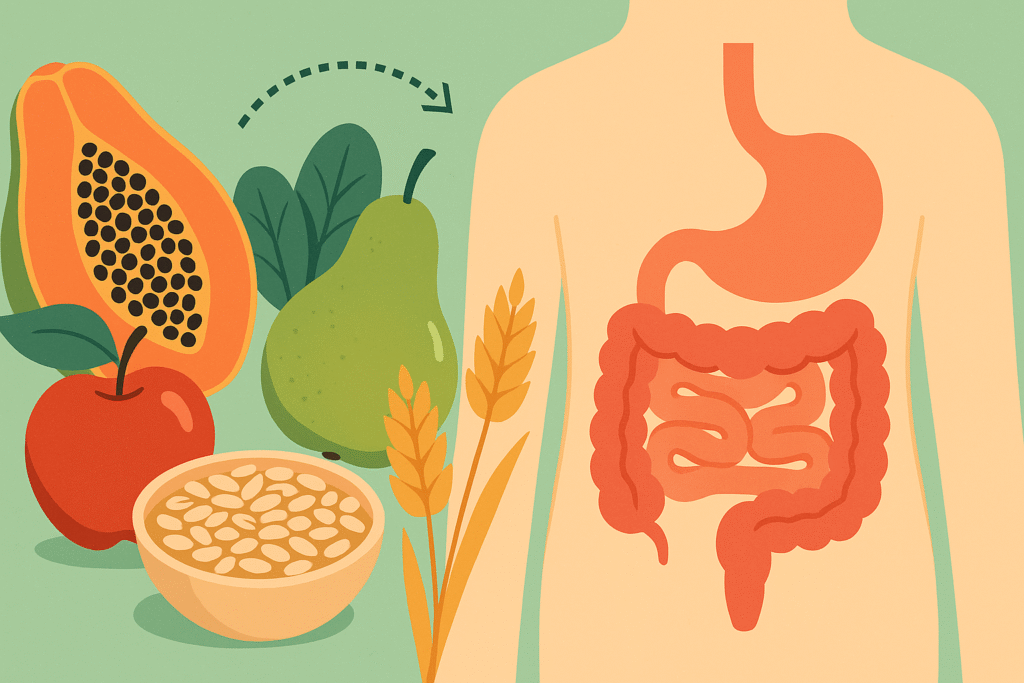
What Happens When You Eat More Fiber Every Day
Fiber is one of the simplest and most effective ways to improve overall health. Yet most people still eat less than half the daily amount their body needs. Eating more fiber can change how you feel, how your body functions, and even how you manage your weight.
Why Fiber Matters
Fiber is the part of plant foods that your body cannot digest. It moves through your system, cleaning the digestive tract and supporting healthy bacteria in your gut. There are two main types of fiber:
- Soluble fiber slows digestion, helps control blood sugar, and lowers cholesterol.
- Insoluble fiber adds bulk to stool and keeps bowel movements regular.
Good sources include fruits, vegetables, legumes, nuts, seeds, and whole grains.
What You Notice in the First Week
When you increase your fiber intake, digestion reacts almost immediately. You may feel more full after meals and notice changes in bowel regularity. Some people experience mild bloating at first, but this usually fades within a few days.
Fiber absorbs water as it moves through your body, so it is important to drink enough fluids. Without water, fiber can make digestion harder instead of easier.
Benefits That Build Over Time
Improved Digestion
After a week or two, your gut adjusts. Constipation eases, and your stomach feels lighter and less bloated.
Better Blood Sugar Control
Soluble fiber slows sugar absorption, preventing energy crashes and supporting steady blood sugar levels.
Healthier Heart
Fiber binds with cholesterol and helps remove it from the body. Over time, this supports heart health and lowers the risk of cardiovascular disease.
Weight Management
High-fiber foods keep you full longer, helping you eat less without effort. They also reduce cravings and help balance appetite hormones.
Stronger Gut Microbiome
Fiber feeds healthy bacteria in your digestive tract. A strong microbiome supports immunity and reduces inflammation.
How to Add More Fiber Safely
Increase fiber gradually to avoid stomach discomfort. Add one new high-fiber food each day. Start with whole-grain bread, oats, or a handful of beans at lunch.
Aim for 25 to 30 grams of fiber daily. Mix sources like fruits, vegetables, legumes, and seeds to get both soluble and insoluble fiber.
Stay hydrated and move regularly to keep digestion smooth.
Final Thoughts
Eating more fiber every day improves digestion, energy, and long-term health. The key is consistency, not perfection. Add a little more each week, stay hydrated, and choose real foods over processed ones. Within weeks, your body will feel the difference.