
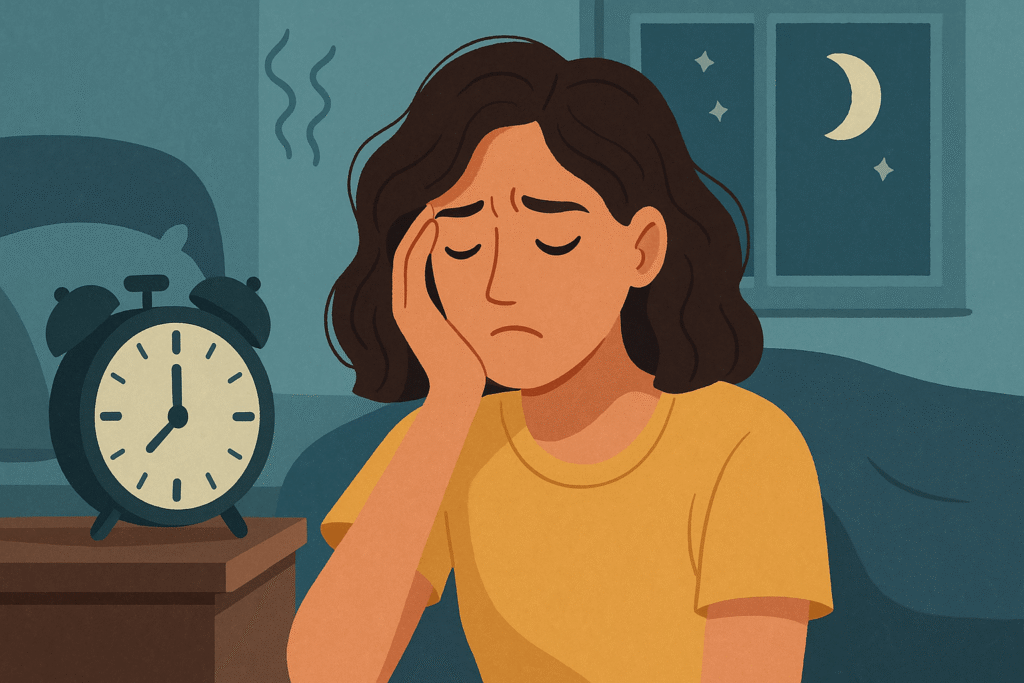
The Real Reason You Feel Tired Even After 8 Hours of Sleep
You go to bed on time, sleep for a full eight hours, yet still wake up feeling sluggish. It is one of the most common modern health complaints, and it usually means that the problem is not the amount of sleep but the quality of it.
Poor Sleep Quality, Not Lack of Sleep
Sleeping for eight hours does not guarantee restorative rest. Deep sleep and REM cycles are what refresh your brain and body. Frequent waking, stress, or poor sleep environments can break these cycles even if you do not remember waking up.
To improve sleep quality, focus on what happens before and during sleep. Keep your bedroom cool, dark, and quiet. Avoid screens 30 to 60 minutes before bed, since light exposure tells your brain to stay alert.
Irregular Sleep Schedules
Your body follows a circadian rhythm, a 24-hour internal clock that regulates hormones, temperature, and alertness. Going to bed and waking up at different times confuses that rhythm, leaving you groggy even after a full night’s rest.
Try to keep a consistent schedule, even on weekends. Getting up at the same time each morning trains your body to expect rest and energy at the right times.
Hidden Stress and Mental Fatigue
You might be asleep physically but awake mentally. Anxiety, racing thoughts, or emotional stress can prevent your brain from fully relaxing. This leaves you feeling unrefreshed no matter how long you stay in bed.
Build a calming routine before sleep. Reading, journaling, or slow breathing can help slow the mind. Avoid work discussions or screens that keep your brain active late into the night.
Poor Lifestyle Habits
Caffeine, alcohol, and heavy meals close to bedtime can interfere with your body’s ability to rest properly. Even if you fall asleep quickly, your sleep stages may be disrupted.
Limit caffeine to before midday and reduce alcohol, which can cause fragmented sleep. Light evening meals help digestion and improve comfort during rest.
Health Issues That Affect Energy
Sleep apnea, thyroid imbalances, iron deficiency, and dehydration can all cause fatigue despite long sleep durations. If lifestyle changes do not improve your energy levels, it is worth getting a health check.
Monitor other symptoms like snoring, restless legs, or morning headaches. These can be signs that your body is not getting enough oxygen or deep sleep.
Final Thoughts
Feeling tired after a full night’s sleep is usually a sign that your body is resting but not recovering. Focus on consistent sleep habits, stress control, and a healthy routine before bed. If fatigue persists, talk to a healthcare professional to rule out medical causes. Better sleep quality, not just more hours, is what truly restores your energy.