
The Truth About “Superfoods” and Whether They Are Worth the Cost
Superfoods are marketed as nutrient-packed miracle ingredients that boost health, fight disease, and even slow aging. In 2025, the trend shows no sign of slowing down, but are these foods really worth the premium price? The answer depends on how you define “super.”
What Makes a Food a “Superfood”?
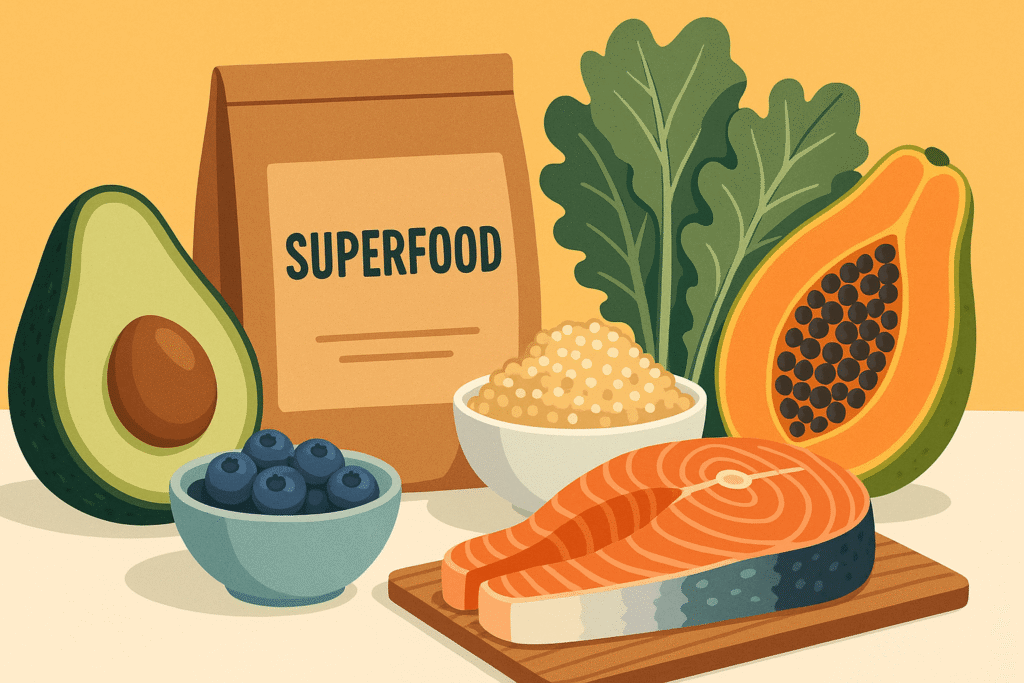
The term “superfood” is not scientific. It is a marketing label used to describe foods rich in vitamins, minerals, and antioxidants. Common examples include blueberries, kale, chia seeds, acai berries, and quinoa. These foods are healthy, but they are not magical.
Many everyday foods such as apples, lentils, oats, and broccoli contain similar nutrients at a lower cost. What matters most is variety and balance, not whether something is on a trendy superfood list.
The Marketing Problem
Food companies use the superfood label to drive sales. Acai bowls, spirulina powders, and imported grains often sell for two to three times the cost of basic alternatives. While they offer nutrients, the claims around detoxing, “boosting immunity,” or “anti-aging” effects are often exaggerated.
Scientific studies do show benefits from antioxidant-rich foods, but no single ingredient can replace an overall balanced diet. You will not undo a week of poor eating with a scoop of goji berries.
Local and Affordable Alternatives
Many local and affordable foods deliver the same benefits as popular superfoods.
- Blueberries vs. Apples: Both provide fiber and antioxidants.
- Quinoa vs. Oats or Brown Rice: Each offers slow-digesting carbohydrates and minerals.
- Kale vs. Spinach: Both are rich in iron, calcium, and vitamin K.
Choosing seasonal and local produce often gives you fresher nutrients and supports sustainability at a fraction of the cost.
When Paying More Makes Sense
There are times when high-quality or specialized foods justify a higher price. For example, omega-3-rich chia or flax seeds help people who avoid fish. Organic produce may reduce pesticide exposure for those sensitive to chemicals. In these cases, spending more can align with your health goals.
The Smarter Way to Eat
Instead of chasing the newest superfood, focus on building variety into your meals. Combine colorful fruits and vegetables, whole grains, legumes, nuts, and lean proteins. Cooking at home and minimizing ultra-processed foods has a far greater impact on your health than any single “miracle” ingredient.
Final Thoughts
Superfoods are healthy, but they are not the key to long-term wellness. The biggest health gains come from consistent, balanced eating and sustainable choices. Skip the hype, shop smart, and remember that true nutrition is about patterns, not products.