
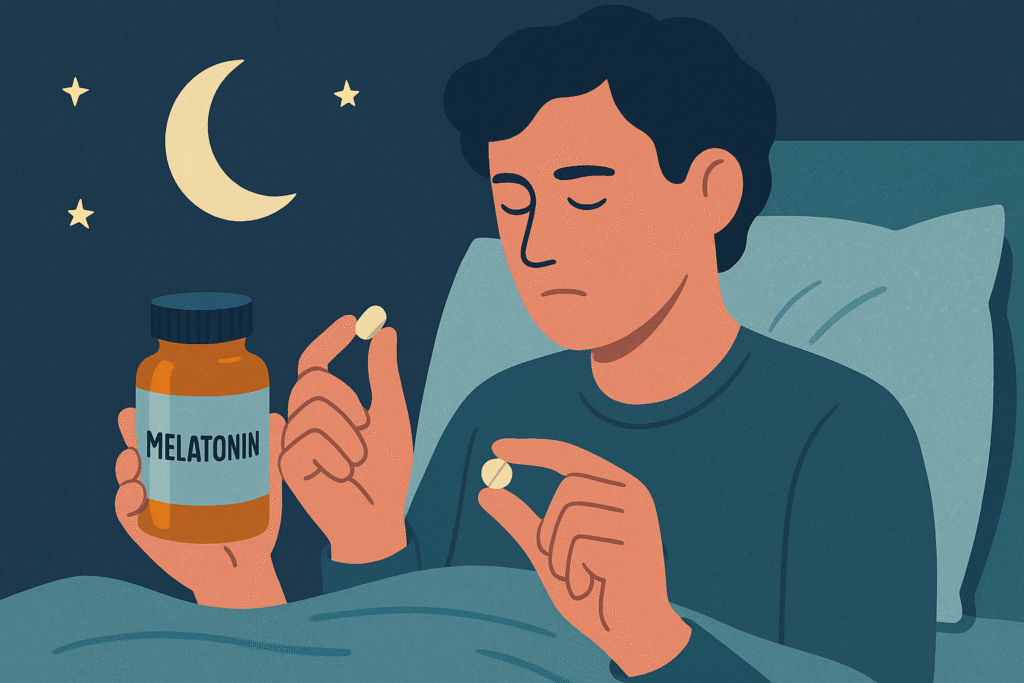
The Pros and Cons of Melatonin Supplements
Melatonin supplements are often used to improve sleep quality or adjust sleep timing, especially for people dealing with jet lag or irregular schedules. While melatonin can be helpful for some, it is not a universal solution. Understanding how it works and what its limits are can help you decide whether it fits your needs.
What Melatonin Does
Melatonin is a hormone that your body naturally produces in response to darkness. It helps regulate your internal clock, signaling when it is time to sleep. Supplements are usually taken to support this process when natural production is disrupted, such as during travel or shift work.
Melatonin does not make you fall asleep instantly. Instead, it helps your body recognize that it is nighttime, promoting relaxation and readiness for sleep.
The Benefits of Melatonin
1. Helps Adjust Sleep Cycles
Melatonin is useful for people with jet lag or irregular work hours. Taking it at the right time helps reset your body clock and makes it easier to fall asleep at the desired hour.
2. Supports Short-Term Sleep Issues
It can help people who have temporary sleep problems due to stress or lifestyle changes. It is also sometimes used for older adults, who may produce less melatonin naturally.
3. Non-Habit Forming
Unlike prescription sleep medications, melatonin is not addictive. It does not cause morning grogginess for most users when taken in moderate doses.
The Drawbacks of Melatonin
1. Inconsistent Results
Melatonin does not work the same way for everyone. Some people notice quick improvement, while others see little or no effect. It is more effective for adjusting sleep timing than for treating chronic insomnia.
2. Timing and Dose Sensitivity
The effectiveness of melatonin depends on when and how much you take. Too much or poor timing can disrupt your natural rhythm instead of helping it. For most adults, a low dose between 0.5 and 3 milligrams taken 30 to 60 minutes before bed is enough.
3. Possible Side Effects
Some people experience vivid dreams, morning grogginess, headaches, or stomach discomfort. High doses or long-term use can interfere with hormone balance, especially in younger users.
4. Not a Substitute for Good Sleep Habits
Melatonin may help you fall asleep, but it does not fix the root causes of poor rest, such as stress, caffeine, late-night screen time, or an inconsistent schedule.
How to Use It Safely
If you decide to try melatonin, start with a low dose and use it for short periods. Keep your sleep routine consistent and dim the lights before bed, avoid screens, and create a calm environment.
Talk to a healthcare professional if you take other medications, as melatonin can interact with blood thinners, antidepressants, and certain blood pressure drugs.
Final Thoughts
Melatonin can be a useful tool for short-term sleep challenges or adjusting your internal clock. However, it works best when combined with good sleep habits and used responsibly. If you rely on it regularly or still struggle with sleep, it is worth checking for deeper causes such as stress, diet, or underlying health issues.