
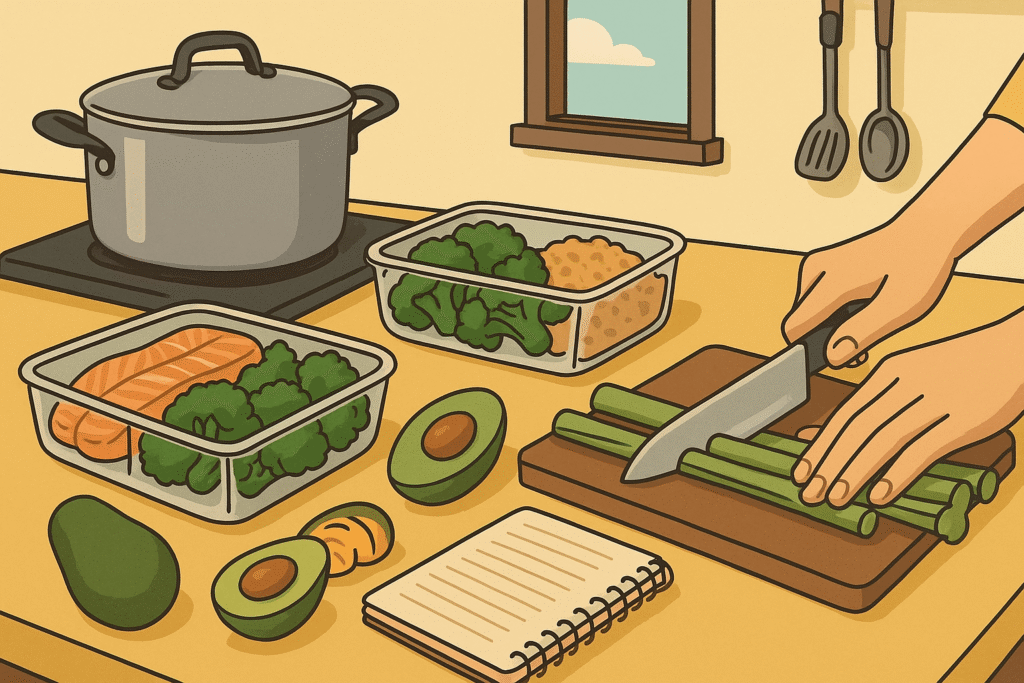
Meal Prepping for Real People with Limited Time
Meal prepping is often shown as an all-day event with rows of identical containers and perfect ingredients. In reality, most people do not have that kind of time. The good news is that meal prepping does not have to be complicated or take up your entire Sunday. With a few smart shortcuts, you can save time, reduce stress, and eat better throughout the week.
Start Small and Keep It Simple
You do not need to prepare every meal for the whole week. Begin with one or two meals that cause the most stress, usually lunch or dinner. Focus on prepping key ingredients instead of full dishes. Cook a batch of grains, roast a tray of vegetables, or prepare protein that can be used in several ways.
For example, grilled chicken can become a wrap one day, a salad topping the next, and part of a rice bowl later in the week. Prepping ingredients instead of full meals keeps your options flexible and prevents food fatigue.
Choose Recipes That Reuse Ingredients
Plan meals that share similar ingredients. This cuts down on waste and shopping time. If you buy bell peppers, use them for stir-fries, fajitas, and omelets. Cooked rice can become fried rice, burrito bowls, or side dishes.
Try picking two proteins, two vegetables, and one grain to build around each week. This approach keeps variety without extra effort.
Use Time-Saving Tools
Kitchen tools can make prep faster. A slow cooker or instant pot lets you cook large batches with minimal effort. Sheet pan meals allow you to roast everything together at once. Pre-cut vegetables or frozen produce are also great options that save time without sacrificing nutrition.
You can also prep while you cook. Chop vegetables while something bakes, or cook extra rice while washing dishes. Small overlaps make a big difference.
Store Smart
Use clear containers so you can see what you have ready. Store meals in portion-sized containers if you eat on the go, or larger containers if you plan to serve family-style. Labeling containers with the meal name and date helps you stay organized and prevents food from being forgotten.
Keep quick-assembly items handy. For example, mix-and-match sauces or dressings can turn basic ingredients into new meals with almost no effort.
Build a Realistic Routine
Meal prepping is about consistency, not perfection. If three prepped lunches a week help you avoid takeout, that is success. Choose a prep time that fits your schedule, such as one hour on Sunday or a quick session after dinner on weekdays.
You can also double recipes and freeze portions for busy weeks. Building a small routine that you can stick to will save time and mental energy in the long run.
Final Thoughts
Meal prepping does not need to look perfect to be effective. Start with simple recipes, cook ingredients that mix and match, and use tools that make the process easier. By spending a little time upfront, you set yourself up for a week of better meals and less stress without sacrificing your free time.