
How Light Exposure Affects Your Sleep Quality
Light is one of the strongest signals your body uses to decide when to stay awake and when to rest. The timing, brightness, and type of light you experience throughout the day all play a major role in how well you sleep at night. Understanding this connection helps you create better sleep habits without needing supplements or strict routines.
Your Body’s Internal Clock
Your body follows a natural rhythm called the circadian cycle. It runs on a 24-hour loop, influenced mainly by light exposure. Bright light in the morning tells your brain it is time to wake up, while darkness at night signals that it is time to rest.
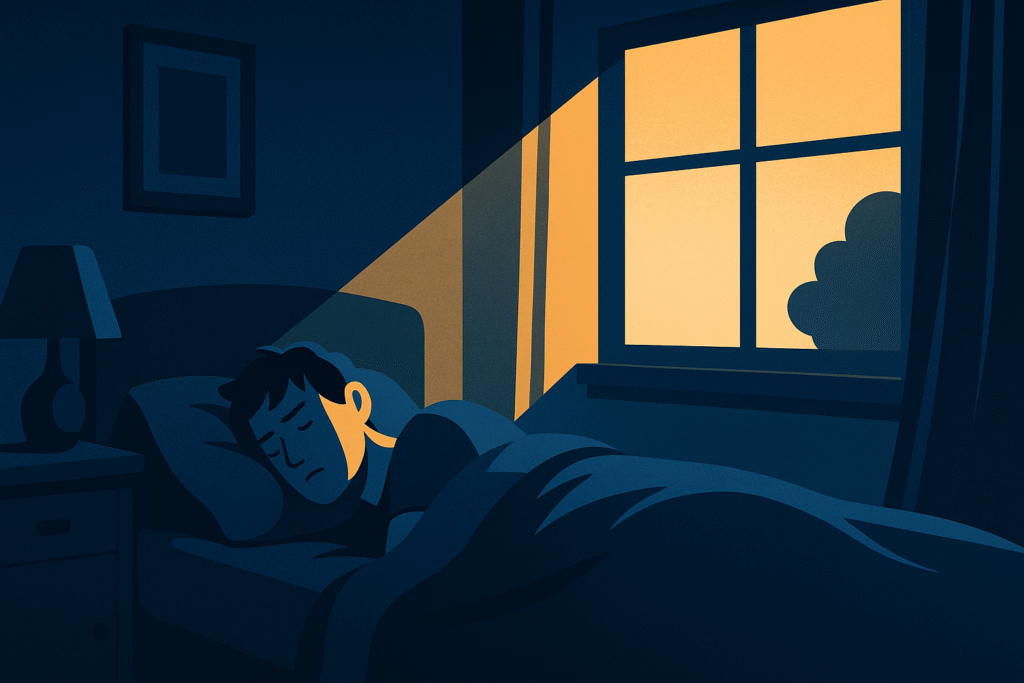
When your eyes detect light, even through closed eyelids, your brain reduces the release of melatonin, the hormone that makes you feel sleepy. This is why exposure to light at the wrong time, such as late at night, can confuse your body and delay sleep.
The Problem with Artificial Light
Phones, computers, and TVs emit blue light, which closely mimics daylight. This light tricks your brain into staying alert, even if you feel tired. Blue light suppresses melatonin more than other wavelengths, making it harder to fall asleep and stay asleep.
To protect your sleep, try reducing screen use 30 to 60 minutes before bedtime. If you must use devices, switch to night mode or wear blue-light-blocking glasses. Dim indoor lighting during the evening to help your body transition naturally toward rest.
The Role of Morning Light
Morning light exposure has the opposite effect. Natural sunlight early in the day helps reset your circadian rhythm and boosts alertness. It increases serotonin production, improving both mood and focus.
Spend at least 10 to 15 minutes outside in the morning, even on cloudy days. If you cannot go outside, open curtains wide or work near a bright window. Consistent morning light helps your body fall asleep more easily at night.
Indoor Lighting Matters Too
Your indoor lighting environment can also affect sleep. Bright white or cool-toned lights keep your brain active, while warm, dim lights signal relaxation. In the evening, switch to softer lighting and turn off unnecessary lamps.
Smart bulbs that adjust color temperature automatically are a simple way to create lighting that supports your natural rhythm.
Final Thoughts
Light exposure shapes your sleep quality more than most people realize. Getting bright light in the morning and avoiding it late at night trains your body to rest and wake naturally. Small changes such as stepping outside after breakfast or dimming your screens before bed can make a noticeable difference in how refreshed you feel each morning.