
Simple Ways to Improve Posture During Daily Life
Good posture affects far more than how you look. It supports healthy joints, prevents back pain, and improves breathing and focus. The problem is that most people spend hours sitting, slouching, or looking down at screens without noticing. The good news is that a few small habits can make a big difference.
Be Aware of Your Alignment
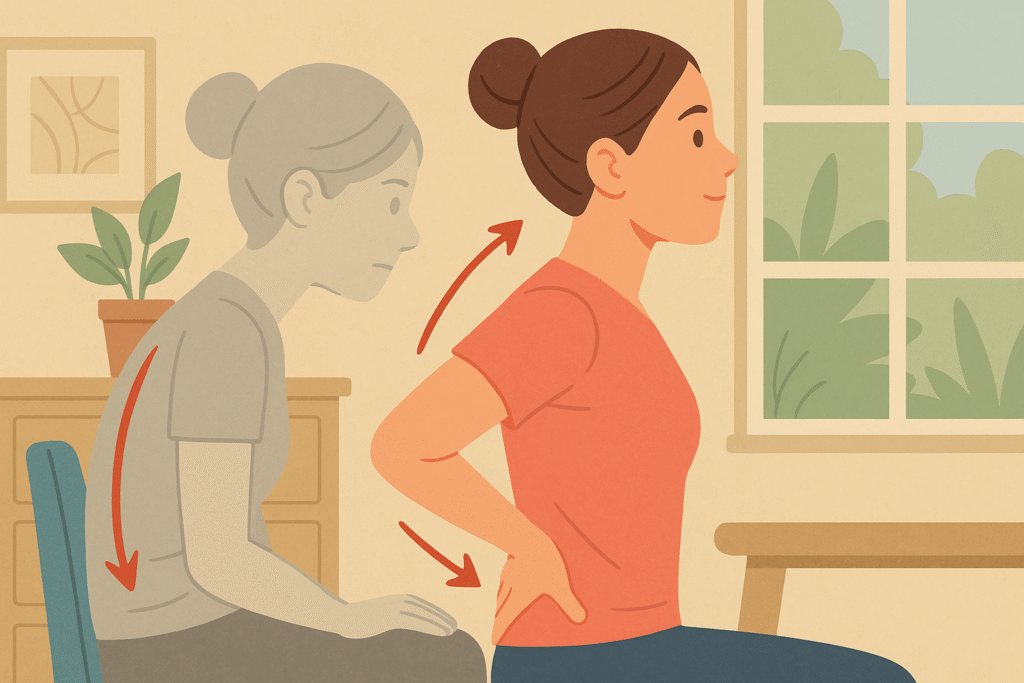
Posture starts with awareness. Your ears, shoulders, and hips should line up when sitting or standing. If your head leans forward or your shoulders round, gently pull them back and lift your chest. Imagine a straight line running from the top of your head to your heels.
Checking your posture a few times a day helps retrain your body to recognize proper alignment.
Adjust Your Work Setup
If you sit at a desk for long periods, the setup of your workstation matters. Keep your screen at eye level so you are not looking down for hours. Your chair should support your lower back, and your feet should rest flat on the floor.
Position your keyboard so your elbows stay close to your sides with your wrists in a neutral position. These small changes reduce strain on your neck and shoulders.
Move Regularly
Sitting too long in one position tightens muscles and weakens your core. Set a reminder to stand, stretch, or walk every 30 to 60 minutes. Even short breaks keep your circulation healthy and reset your posture.
You can also practice micro-movements at your desk. Roll your shoulders back, stretch your chest, and gently rotate your neck to relieve tension.
Strengthen Core and Back Muscles
A strong core makes good posture easier to maintain. Exercises such as planks, bridges, and rows strengthen the muscles that support your spine. You do not need long workouts; a few minutes of consistent practice several times a week is enough to see improvement.
Pay attention to your posture during daily activities too. Engage your core when lifting, walking, or even standing in line.
Watch Your Screen Habits
Looking down at phones or tablets for hours causes “tech neck,” a common source of pain and poor posture. Hold your device closer to eye level and avoid bending your neck sharply. Take short breaks from screens to stretch your neck and shoulders.
Final Thoughts
Improving posture is not about perfection but about awareness and consistency. Small changes to how you sit, stand, and move can prevent long-term pain and boost confidence. The more you practice, the more natural good posture becomes, supporting your health in every part of daily life.