
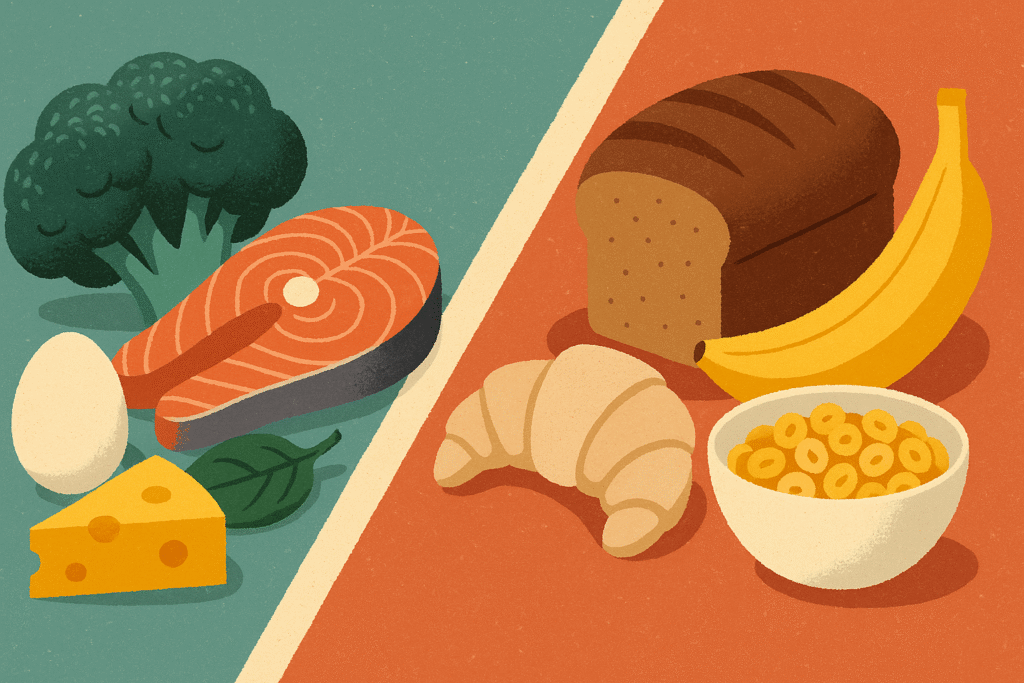
Why Cutting Carbs Isn’t the Answer for Everyone
Cutting carbohydrates has become one of the most popular diet strategies, but it does not work for everyone. While reducing refined carbs can help improve energy and blood sugar control, completely removing this food group can backfire. Your body needs carbohydrates for essential functions, and the right balance depends on your lifestyle, goals, and metabolism.
What Carbs Actually Do
Carbohydrates are your body’s main source of energy. They break down into glucose, which fuels your brain, muscles, and organs. Without enough carbs, your body turns to fat and protein for energy, which can make you feel fatigued, irritable, or mentally foggy.
Complex carbohydrates such as whole grains, fruits, and vegetables also provide fiber, vitamins, and minerals that support digestion and long-term health. When you cut them too drastically, you lose these benefits.
The Problem with Extreme Low-Carb Diets
Very low-carb diets often lead to fast weight loss at first. Most of that weight, however, comes from water loss, not fat. As glycogen stores deplete, your body releases stored water, which can make the results misleading.
Low-carb diets can also lead to nutrient deficiencies if you eliminate too many plant-based foods. Over time, this may affect gut health, hormone balance, and mood stability. Some people also find that restricting carbs increases cravings and makes it harder to maintain a balanced diet.
For athletes or people with active jobs, too few carbs can reduce endurance and recovery. Carbohydrates are crucial for maintaining glycogen stores that power physical activity.
When Cutting Carbs Makes Sense
Reducing carbs can help some people, especially those managing conditions like insulin resistance or type 2 diabetes. Cutting back on added sugars and refined grains improves blood sugar control and energy balance.
The key is not to eliminate carbs entirely but to focus on quality. Choosing high-fiber, minimally processed options supports both energy and metabolism. Whole grains, legumes, fruits, and vegetables provide steady fuel without blood sugar spikes.
Finding Your Balance
The ideal amount of carbs varies. Active people may thrive on moderate to high carb intake, while others feel better with fewer. Experiment with portion sizes and timing to find what works for your body. If you feel tired, moody, or mentally foggy on a low-carb diet, your body may be signaling that it needs more fuel.
Final Thoughts
Cutting carbs is not a one-size-fits-all solution. Your body needs carbohydrates to perform and recover efficiently. Instead of eliminating them, focus on eating nutrient-dense carbs in balanced portions. A healthy diet is not about removing entire food groups but finding a sustainable balance that supports your energy, health, and lifestyle.