
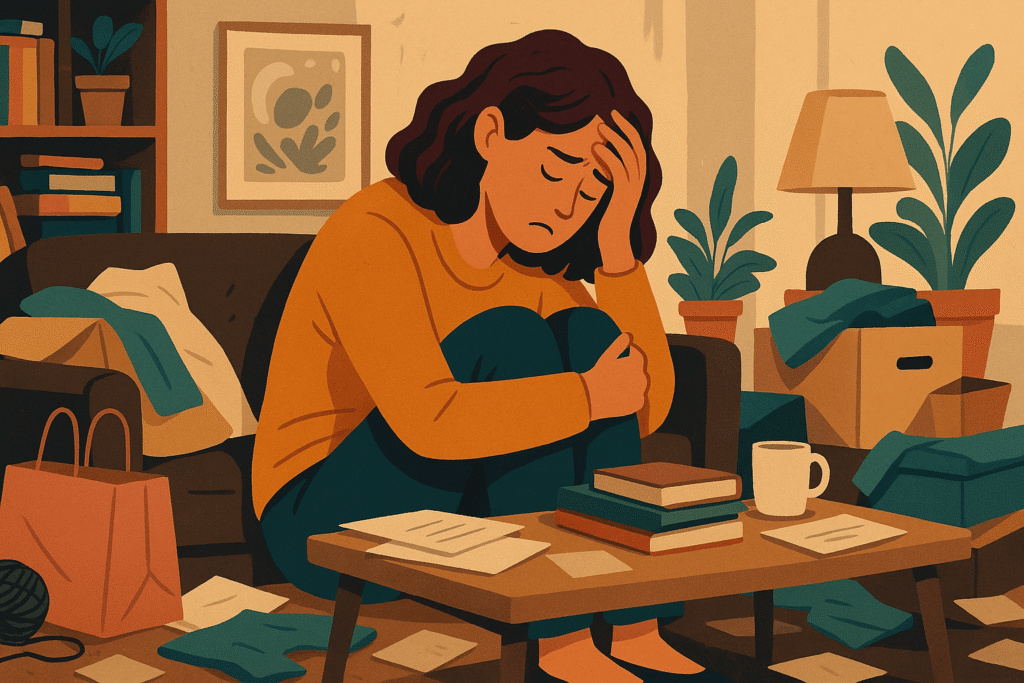
The Connection Between Clutter and Stress
Clutter does more than make your home look messy. It affects how your brain functions, how calm you feel, and how much you can focus. Even when you stop noticing the mess, your body still reacts to it. Understanding how clutter links to stress helps you make small changes that improve both your environment and your mood.
Why Clutter Overwhelms the Brain
Your brain processes everything in your visual field, even things you are not paying attention to. A cluttered space sends too many signals at once, which increases mental load and distracts focus. This constant stimulation keeps your mind slightly tense and alert, preventing full relaxation.
When your surroundings are messy, your brain struggles to prioritize tasks. You may feel scattered, restless, or guilty about not tidying up. Over time, these reactions raise stress hormones and reduce mental clarity.
The Emotional Weight of Mess
Clutter is often emotional. A pile of papers might represent unfinished tasks, while a full closet can remind you of things you no longer use but cannot let go of. Each item carries a small mental reminder that adds to overall stress.
This creates a loop. Stress leads to avoidance, and the growing mess increases stress again. Breaking the cycle starts with simple, small wins. Cleaning one area completely helps restore control and builds motivation to continue.
How Clutter Affects Productivity and Sleep
Working in a cluttered environment makes it harder to concentrate. Research shows that tidy spaces improve focus, efficiency, and decision-making. In contrast, cluttered areas make procrastination more likely.
Mess in the bedroom also affects rest. When your brain sees unfinished tasks or disorganization, it stays active longer. Keeping your sleep space simple and clean helps signal that it is time to unwind.
Practical Ways to Reduce Clutter
Start with one area at a time. Choose a desk, shelf, or countertop and clear it completely. Decide what to keep, what to store, and what to donate.
Spend a few minutes each day maintaining small areas. A five-minute habit of putting things away prevents clutter from building up again.
Use storage systems that make sense for your lifestyle. Baskets, trays, and labeled boxes help control small items that easily pile up. If something has not been used in a year, it probably does not belong in your daily space.
Final Thoughts
Clutter adds invisible stress that builds quietly over time. Creating order in your surroundings clears space in your mind. You do not need a spotless home, only consistency in small efforts. Each item you put away or remove helps create a calmer, clearer environment that supports your well-being.