
How to Build a Balanced Plate Without Calorie Counting
Counting calories can feel stressful and time-consuming. The good news is you do not need to track every bite to eat well. Building a balanced plate focuses on food quality and proportion instead of strict numbers. This approach helps you eat intuitively, stay full longer, and nourish your body with the right mix of nutrients.
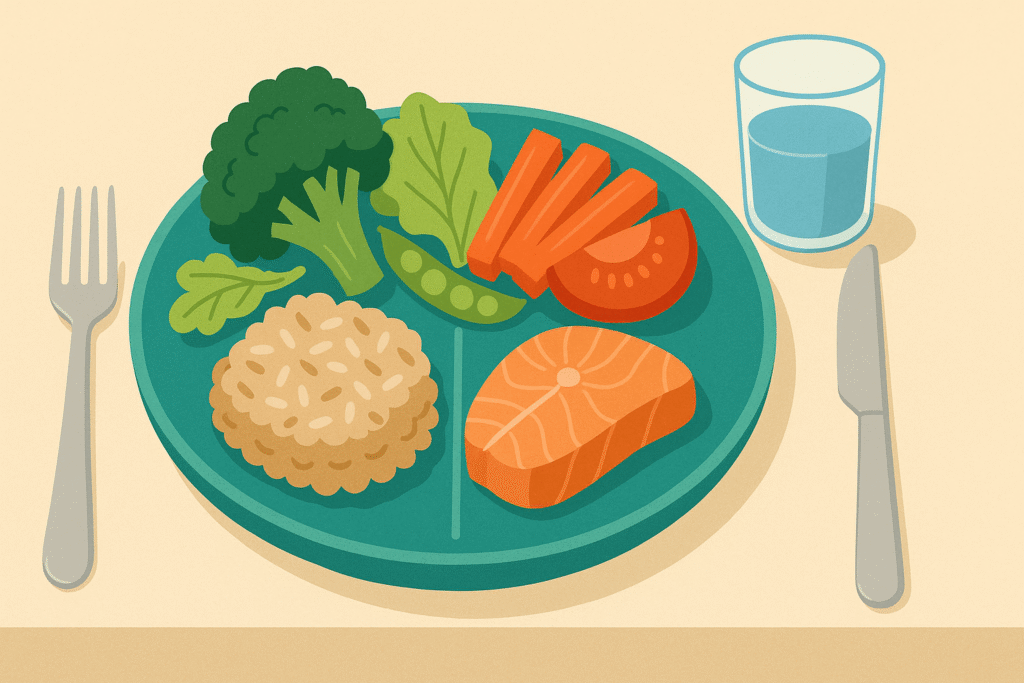
Focus on the Plate Method
The easiest way to balance meals is to divide your plate into sections:
- Half for vegetables and fruits
- One quarter for protein
- One quarter for whole grains or starchy foods
This simple visual guide works for nearly any meal and helps control portions naturally. It also ensures you get fiber, protein, and healthy carbohydrates without overthinking exact amounts.
Fill Half the Plate with Vegetables and Fruits
Vegetables and fruits are rich in fiber, vitamins, and minerals that support digestion and overall health. They add volume to your plate without excess calories.
Choose a mix of colors to cover a variety of nutrients. Leafy greens, carrots, peppers, berries, and apples are all great options. Fresh, frozen, or lightly cooked vegetables all count.
Add Lean or Plant-Based Proteins
Protein keeps you full and helps maintain muscle. It also stabilizes blood sugar and supports recovery after activity.
Good options include chicken, fish, eggs, beans, tofu, lentils, or Greek yogurt. Aim for a serving about the size of your palm. For plant-based meals, mix different sources such as beans and rice to get complete amino acids.
Choose Whole Grains and Smart Carbs
Carbohydrates provide energy, but the type matters. Whole grains such as brown rice, quinoa, oats, and whole wheat bread offer fiber and steady energy release.
If you prefer starchy vegetables, sweet potatoes or corn work well too. Keep this section of the plate moderate—about one quarter—to avoid energy crashes.
Include Healthy Fats
Healthy fats improve heart and brain function and help your body absorb vitamins. Use small amounts of olive oil, avocado, nuts, or seeds.
Fats are calorie-dense, so a little goes a long way. A spoonful of olive oil for cooking or a few almonds on top of your meal adds flavor and balance.
Drink and Season Smartly
Skip sugary drinks and choose water, sparkling water, or herbal tea with your meal. If you want flavor, add fruit slices or mint.
Use herbs and spices instead of heavy sauces or salt. They enhance taste and provide antioxidants without extra calories.
Final Thoughts
A balanced plate gives you everything your body needs without counting or restricting. Focus on variety, color, and proportion. Over time, this method becomes automatic, helping you build healthier meals that support energy, digestion, and long-term well-being.