
What “Balanced Health” Really Means in 2025
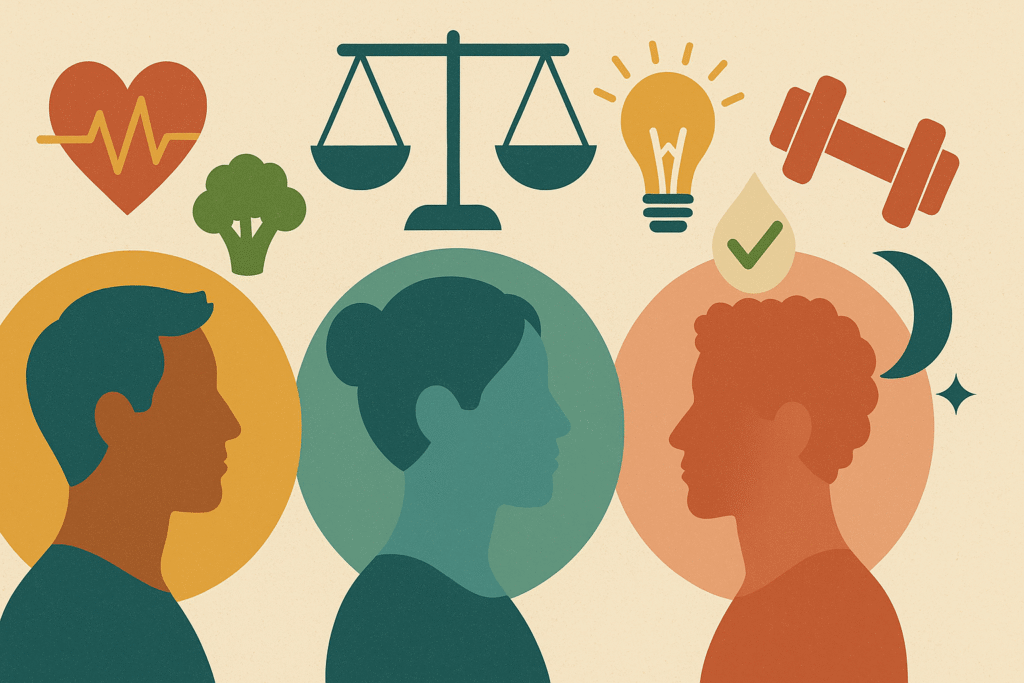
The idea of balanced health has changed in recent years. In 2025, it is no longer about following strict diets or extreme fitness trends. It is about creating steady habits that support both physical and mental well-being while adapting to modern life. Balanced health means finding stability in a world that moves quickly, using science and self-awareness to guide daily choices.
A Shift Toward Sustainability
People are beginning to view health as a lifelong process, not a short-term project. The focus has shifted from perfection to sustainability. Instead of intense workout plans or restrictive diets, more people are choosing simple, consistent habits that fit their routines.
This includes balanced meals built from whole foods, daily movement rather than overtraining, and realistic rest schedules. Sustainable health habits are easier to maintain, which leads to better long-term results.
The Integration of Technology and Mindfulness
Wearables, apps, and AI-driven health tools now help track sleep, stress, and nutrition with more precision than ever before. But technology is being used not only for measurement, but for mindfulness too. In 2025, people are blending data with awareness—using real-time feedback to improve habits without becoming obsessed with numbers.
Smart devices remind users to move, hydrate, and even take deep breaths throughout the day. This balance between technology and mindfulness supports consistency and helps people respond to their bodies’ needs.
Mental Health as a Core of Physical Wellness
In 2025, mental and physical health are no longer treated as separate. Chronic stress, poor sleep, and burnout are recognized as major barriers to well-being. Balanced health now means setting boundaries, taking breaks, and focusing on recovery as much as productivity.
Therapy, meditation, and community connection are becoming part of regular health routines, not occasional extras. Emotional regulation and stress management are seen as skills that protect both mind and body.
Nutrition Focused on Function, Not Trends
The conversation around nutrition has matured. Instead of chasing “superfoods” or cutting entire food groups, people are focusing on function—how food supports energy, focus, and digestion. Balanced diets now include flexibility, moderation, and variety rather than restriction.
There is also a stronger emphasis on gut health, hydration, and protein intake to support aging, muscle maintenance, and mood balance.
Final Thoughts
Balanced health in 2025 is about awareness, adaptability, and sustainability. It combines technology, nutrition, mental well-being, and daily movement in a way that fits individual lifestyles. True balance means caring for your body and mind without extremes, finding steady routines that make you feel capable, calm, and resilient every day.