
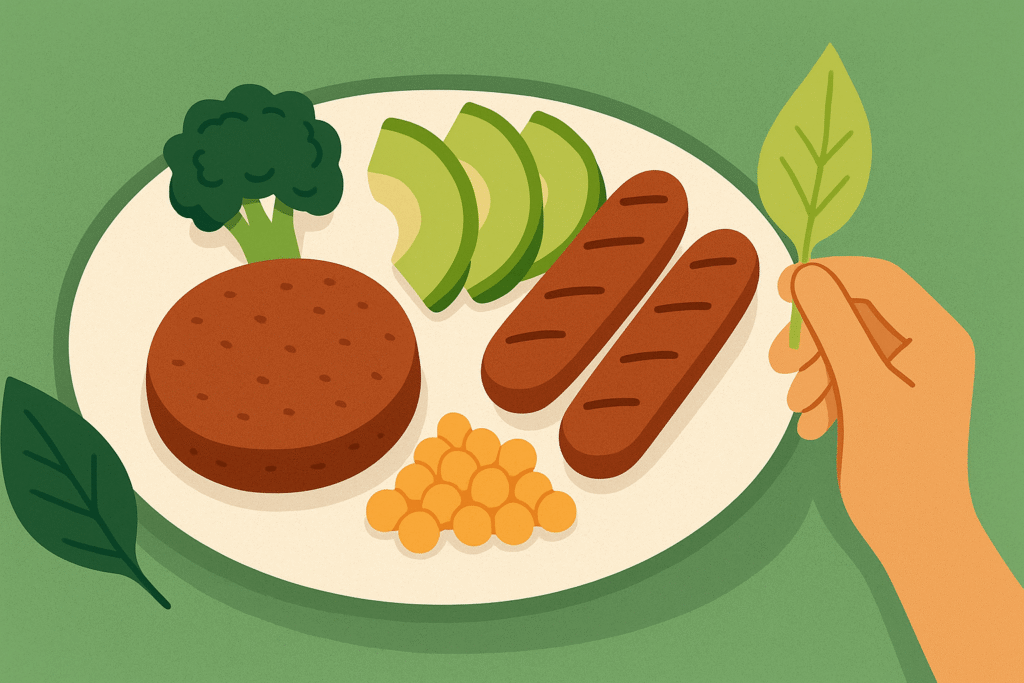
Are Plant-Based Meats Actually Healthier?
Plant-based meats have become increasingly popular as people look for alternatives to traditional meat for health, environmental, or ethical reasons. These products are designed to taste and cook like real meat, but the question remains: are they actually healthier? The answer depends on what you compare them to and what your overall diet looks like.
What’s in Plant-Based Meat
Plant-based meats are made from protein sources such as soy, peas, lentils, or beans. They often include oils, flavorings, and binders to mimic the taste and texture of beef, chicken, or pork. Some brands also fortify their products with vitamins and minerals like iron and B12 to match the nutrition found in animal meat.
While these products contain protein and fewer animal fats, they are still highly processed. Additives like sodium, flavor enhancers, and refined oils are common, which can reduce their health value compared to whole plant foods.
Nutritional Comparison
Compared to regular meat, plant-based options are usually lower in saturated fat and contain no cholesterol. This can benefit heart health when replacing high-fat animal meats. However, many contain added salt to enhance flavor, sometimes making them higher in sodium than traditional meat.
Protein content is often similar, but the amino acid profile differs slightly. Plant proteins are less complete unless combined from different sources. Some brands address this by blending proteins for a more balanced composition.
Plant-based meats also provide some fiber, which animal meat lacks. This helps digestion and supports healthy cholesterol levels.
The Health Trade-Offs
Choosing plant-based meat over red or processed meat can reduce the risk of heart disease and certain cancers, especially if it replaces foods high in saturated fat. However, relying too heavily on processed alternatives instead of whole foods like beans, tofu, or lentils limits the benefits.
Not all products are equal. Some contain long ingredient lists with additives and oils that do little for nutrition. Reading labels helps you identify options with simpler, recognizable ingredients.
A Smarter Way to Eat Plant-Based
If your goal is better health, balance is key. Use plant-based meats occasionally as a transition food or for variety, not as your main protein source. Pair them with vegetables, whole grains, and fresh ingredients instead of refined buns or sauces.
Cooking more whole-food plant proteins at home gives you control over salt, oil, and portion size. These foods are cheaper, less processed, and offer more consistent health benefits.
Final Thoughts
Plant-based meats can be part of a healthy diet, but they are not automatically healthier than traditional meat. Their benefits depend on what they replace and how often you eat them. Whole plant foods still provide the greatest long-term advantages for health and energy. Treat these products as a convenient option rather than a nutritional fix, and your body will thank you.