
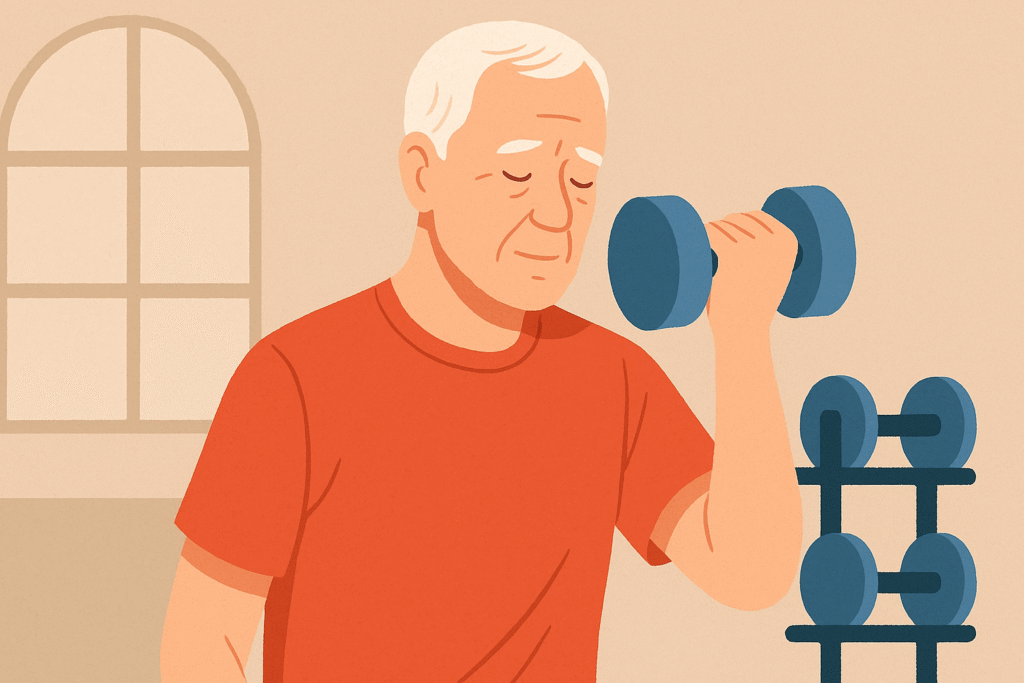
The Role of Strength Training in Healthy Aging
Staying strong as you age is not about building large muscles. It is about maintaining independence, balance, and overall health. Strength training supports all of these by keeping your muscles, bones, and joints active and resilient. It is one of the most effective ways to stay mobile and prevent age-related decline.
Why Strength Training Matters
As people age, they naturally lose muscle mass and strength, a process called sarcopenia. This decline begins around the age of 30 and accelerates after 50. Without resistance exercise, muscle loss can affect posture, balance, and energy levels.
Strength training helps slow or even reverse this process. It improves muscle tone, increases bone density, and supports metabolism. Stronger muscles also protect joints and make everyday activities like lifting groceries or climbing stairs easier and safer.
Physical Benefits Beyond Strength
Strength training offers benefits that go well beyond muscle growth.
- Better Bone Health: Weight-bearing exercise helps maintain bone density and lowers the risk of osteoporosis.
- Improved Balance: Stronger legs and core muscles reduce fall risk and enhance stability.
- Metabolic Support: Muscle tissue burns more energy than fat, helping maintain a healthy weight and blood sugar level.
- Joint Health: Regular movement strengthens the tissues around joints, reducing stiffness and discomfort.
These benefits make strength training one of the most valuable forms of exercise for long-term wellness.
Mental and Cognitive Benefits
Physical strength also supports mental strength. Studies show that resistance training can improve mood, confidence, and even cognitive function. Exercise increases blood flow to the brain, which supports memory and focus. It also releases endorphins that help reduce stress and anxiety.
For older adults, this mental boost can be as important as the physical benefits, supporting both emotional health and quality of life.
Getting Started Safely
You do not need heavy weights or complex routines to benefit. Start with bodyweight movements like squats, wall pushups, and step-ups. Resistance bands and light dumbbells are also excellent tools for building strength safely.
Aim for two to three sessions per week, allowing rest days in between. Focus on form first, then increase intensity gradually. Warming up before and stretching after each session helps prevent injury.
If you are new to exercise or have health conditions, talk with a healthcare provider before starting a new routine. A certified trainer can also help you design a plan suited to your abilities.
Final Thoughts
Strength training is one of the most powerful tools for aging well. It preserves mobility, supports bone and joint health, and boosts confidence. No matter your age or fitness level, it is never too late to start. A few consistent sessions each week can help you stay active, independent, and strong for years to come.