
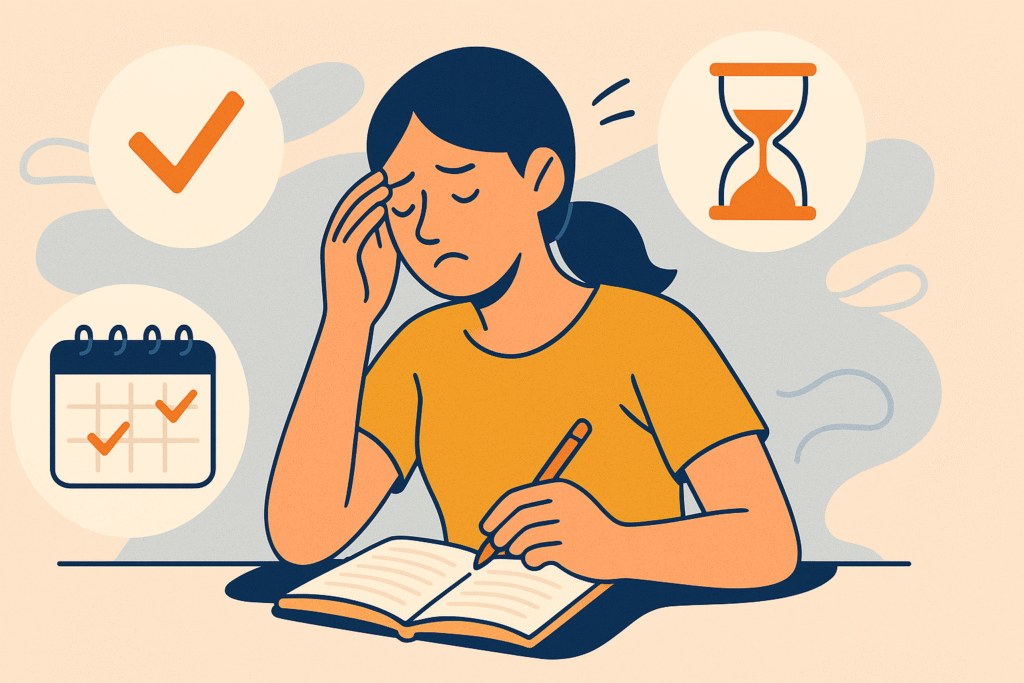
Building Better Habits Without Burning Out
Good habits make life easier, but creating them often feels like an uphill climb. Many people start strong and lose motivation when progress slows or life gets busy. Building better habits without burning out is about making steady progress, not pushing for perfection.
Start Small and Stay Consistent
Big goals are exciting, but they can also be overwhelming. Instead of trying to change everything at once, focus on one small habit that fits your current routine. For example, if you want to get more active, begin with a short walk after lunch instead of a full workout plan.
Consistency matters more than intensity. A small habit repeated daily creates a foundation that can grow naturally over time.
Link New Habits to Existing Routines
New behaviors stick better when they are connected to something you already do. This method, known as “habit stacking,” makes it easier to remember and repeat.
For example:
- Stretch after brushing your teeth.
- Review your budget right after your morning coffee.
- Read a few pages before turning off the lights at night.
By attaching a new habit to an existing one, you reduce mental effort and make the change feel automatic.
Track Progress the Simple Way
You do not need an app or spreadsheet to track habits. A notebook, calendar, or sticky note works just as well. Mark off each day you complete your habit. Seeing visible progress keeps motivation high and helps you notice patterns.
If you miss a day, do not start over or give up. Focus on getting back on track the next day. Progress is built from repetition, not perfection.
Avoid Overloading Yourself
Burnout happens when you try to change too much too quickly. Limit yourself to one or two habits at a time. Once those feel natural, you can add more.
Rest is also part of consistency. If your new routine leaves you feeling drained, adjust it. Habits that exhaust you will not last.
Reward Small Wins
Positive reinforcement helps new habits stick. Celebrate small milestones and completing a week of consistent effort or improving by even a little. The reward does not need to be big; it could be as simple as taking a break or doing something you enjoy.
This keeps motivation alive and makes the process enjoyable, not a chore.
Final Thoughts
Building good habits is a long-term effort, not a sprint. Start small, stay consistent, and be kind to yourself when progress slows. The goal is not to be perfect every day, but to keep moving forward. With time and steady effort, your small daily actions become lasting routines that support a healthier, more balanced life.