
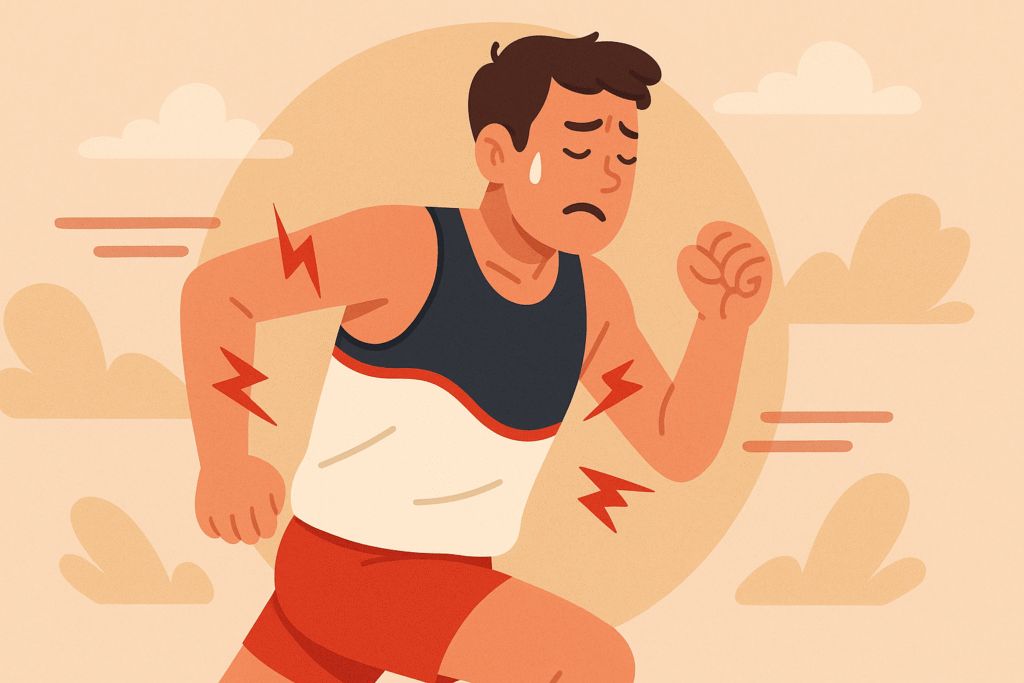
What Overtraining Looks Like and How to Fix It
Regular training helps build strength, endurance, and discipline, but too much exercise without proper rest can lead to burnout. Overtraining happens when your body cannot recover between workouts, and it can affect both physical and mental health. Recognizing the warning signs early helps you correct course before progress turns into fatigue or injury.
Signs You Might Be Overtraining
Constant Fatigue
If you feel tired all the time, even after sleeping well, your body is struggling to recover. Persistent fatigue means your muscles and energy systems are overworked and need a break.
Falling Performance
When your usual workouts suddenly feel harder or your progress stalls, it is a signal that your training volume might be too high. The body needs recovery time to adapt and grow stronger.
Mood and Motivation Changes
Overtraining affects stress hormones, which can lead to irritability, anxiety, or loss of motivation. You may dread workouts that you once enjoyed or find it hard to push through normal routines.
Sleep Problems
If you cannot fall asleep easily or wake often during the night, it may be due to elevated stress hormones. Restless sleep slows recovery and makes fatigue worse.
Frequent Illness or Injury
A run-down immune system makes you more likely to catch colds or deal with nagging injuries. Overused muscles and joints do not heal properly when recovery is neglected.
Appetite or Weight Changes
Overtraining can disrupt hormones that regulate hunger and metabolism. You might lose your appetite or crave more food than usual. Sudden weight loss or gain is a sign of imbalance.
How to Recover and Prevent Overtraining
Rest and Recovery
Schedule at least one or two rest days per week. Rest days are when your body repairs muscles and builds strength. On light days, do gentle stretching, yoga, or walking to promote recovery.
Get Enough Sleep
Sleep is when the body heals and restores energy. Aim for seven to nine hours every night. If you feel run down, go to bed earlier or add short naps.
Fuel Your Body Properly
A balanced diet supports performance and recovery. Include protein for muscle repair, carbohydrates for energy, and healthy fats for hormone balance. Stay hydrated throughout the day.
Pay Attention to How You Feel
Notice when soreness lasts too long or when motivation fades. These are early signs that your body needs rest. Track your training and mood to spot patterns before they become problems.
Mix Up Your Training
Alternate hard sessions with easier ones. Add variety to your routine with mobility or low-impact workouts. This helps avoid repetitive strain and keeps training enjoyable.
Manage Life Stress
Emotional stress affects recovery too. Spend time outside, practice deep breathing, or relax with activities that calm your mind.
Final Thoughts
Overtraining is not about effort; it is about balance. Progress happens during recovery, not constant strain. If you feel exhausted or unmotivated, listen to your body and rest. Taking time to recover will help you return stronger, healthier, and more focused on your goals.