
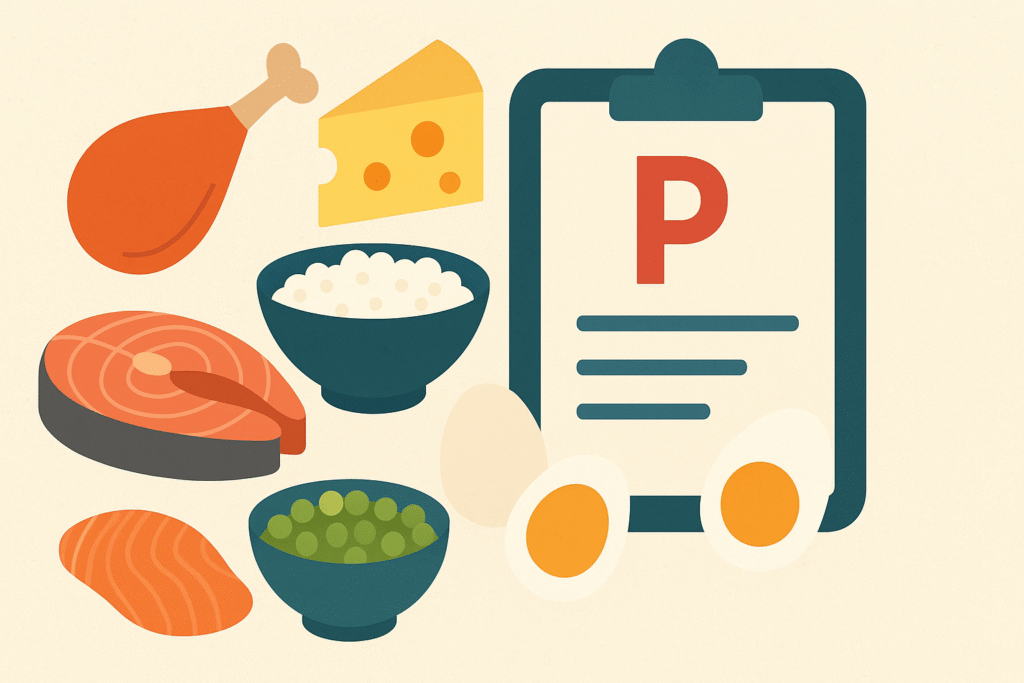
How Much Protein Do You Really Need
Protein is often seen as the key to building muscle and staying healthy, but how much you actually need depends on your age, activity level, and goals. Getting the right amount supports everything from energy levels to recovery, while too much or too little can throw your body out of balance.
Why Protein Matters
Protein is made up of amino acids, the building blocks that repair tissues, produce enzymes, and support your immune system. Every cell in your body relies on it. Unlike carbohydrates and fats, protein is not stored for later use, so you need to eat it regularly to maintain balance.
The General Guidelines
For most adults, the recommended daily amount of protein is about 0.8 grams per kilogram of body weight. That equals roughly 55 grams a day for someone who weighs 70 kilograms.
However, if you are active, trying to build muscle, or recovering from illness, your needs increase. Research suggests 1.2 to 2 grams per kilogram of body weight supports performance and recovery in people who exercise regularly.
For example:
- Light activity: 1.0 g per kg
- Regular strength or endurance training: 1.4 to 1.8 g per kg
- Heavy training or muscle gain: up to 2.0 g per kg
Protein and Satiety
Protein also helps control appetite. It digests more slowly than carbs, keeping you full longer and reducing snacking. A high-protein breakfast—such as eggs, yogurt, or oats with nuts—can help stabilize energy throughout the day.
Balanced meals with protein at each sitting are more effective than eating one large serving at dinner. Your body can only use so much protein at once, so spreading intake evenly helps absorption.
Best Sources of Protein
Both animal and plant sources provide high-quality protein. Choose a variety to cover your nutrient needs.
- Animal sources: chicken, fish, eggs, lean beef, dairy
- Plant sources: lentils, chickpeas, tofu, quinoa, nuts, seeds
Mixing plant sources ensures you get all essential amino acids. For example, combining rice and beans forms a complete protein.
Common Myths
More protein does not always mean better results. Extra protein beyond what your body can use does not turn into more muscle—it is either burned for energy or stored as fat.
Also, you do not need shakes or supplements unless your diet lacks variety or your needs are unusually high. Whole foods provide the same benefits along with fiber, vitamins, and minerals.
Final Thoughts
Protein is essential, but balance is what matters most. Aim for steady intake throughout the day from varied sources. If you stay active, listen to your body and adjust gradually. Getting enough protein supports strength, focus, and long-term health without the need for extreme diets or overcomplicated tracking.