
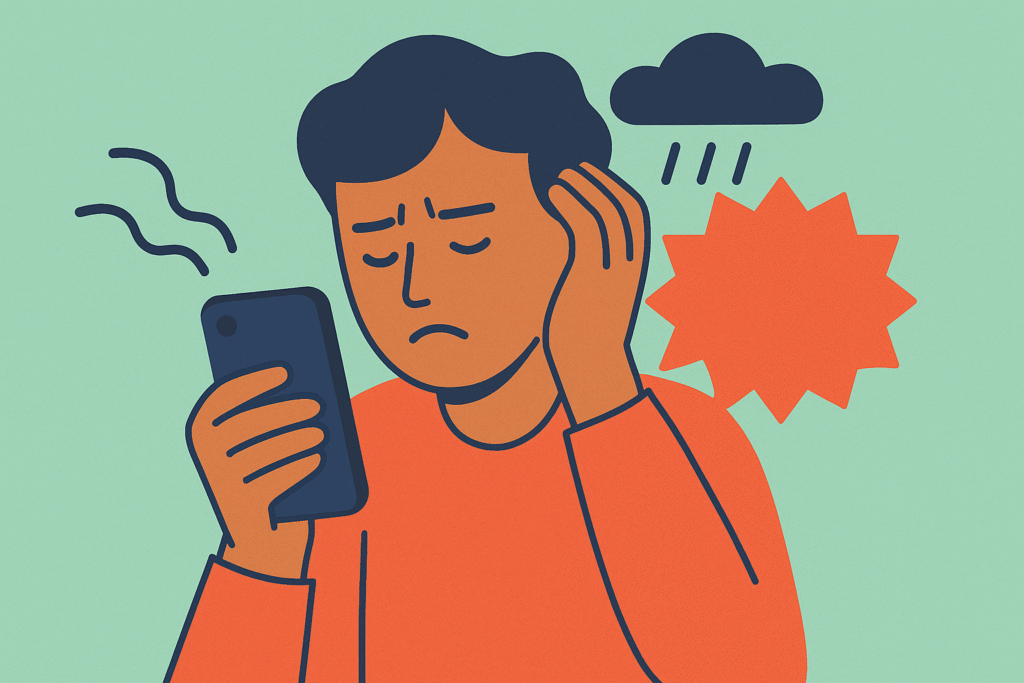
How Phone Use Affects Focus and Anxiety
Phones are part of nearly every moment of modern life. They keep us connected and informed, but they also compete for our attention and can raise stress levels. Frequent use changes how the brain manages focus and calm, often without us noticing.
Constant Notifications Break Focus
Every ping or vibration pulls your attention away from what you are doing. Even quick glances at a screen interrupt concentration and make it harder to return to the task. Research shows that it can take more than 20 minutes to fully regain focus after each distraction.
Turning off nonessential notifications or setting quiet hours during work helps your brain stay in deep focus longer.
Too Much Information Causes Mental Fatigue
Scrolling through messages, videos, and news overloads your brain with input. It leaves little space for reflection or rest. Over time, this can feel like mental exhaustion or restlessness.
Taking short breaks from your phone allows your mind to reset. Reading a book, spending time outside, or simply sitting quietly helps restore mental clarity.
Social Comparison Triggers Anxiety
Social media can create unrealistic expectations for how life should look. Constant exposure to other people’s highlights can cause pressure, jealousy, or low self-worth.
Reducing screen time or following accounts that inspire rather than compare helps lower this anxiety. Direct communication with friends is more beneficial than endless scrolling.
Blue Light Disrupts Sleep and Mood
Using your phone at night exposes your eyes to blue light, which signals your brain to stay alert. This delays melatonin release and makes it harder to fall asleep. Poor sleep then increases stress and anxiety the next day.
Try keeping screens away for at least an hour before bed. If that is not possible, enable night mode or reduce brightness in the evening.
How to Create Healthier Phone Habits
You do not need to quit using your phone to regain focus and calm. A few small adjustments make a big difference.
- Keep your phone out of reach during meals or focused work.
- Turn on “do not disturb” when resting or studying.
- Set daily limits for social media.
- Replace morning scrolling with a short walk or quiet time.
Final Thoughts
Phones are powerful tools, but overuse can quietly drain focus and increase anxiety. Use them with intention instead of habit. By setting boundaries and creating small offline moments, you give your mind the space it needs to stay clear, calm, and alert.