
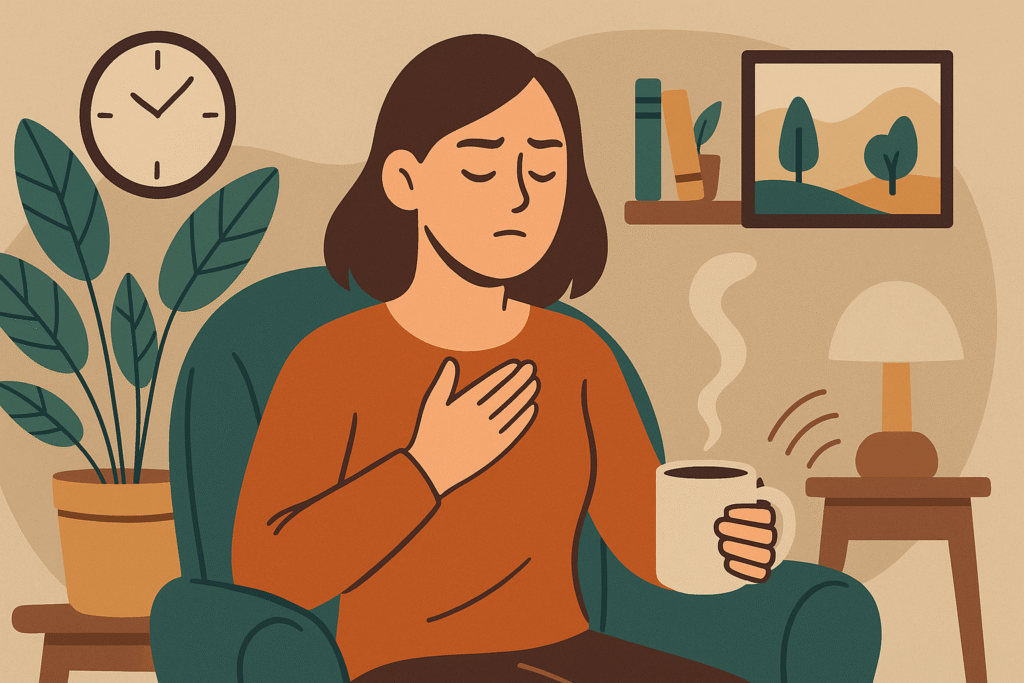
Practical Ways to Manage Everyday Stress
Modern life moves fast, and daily stress has become part of almost everyone’s routine. While you cannot remove stress completely, you can manage it with simple habits that protect both your mental and physical health. These strategies focus on what actually works, not quick fixes.
Identify the Real Sources of Stress
Before you can manage stress, you need to understand where it comes from. Keep a short daily log for a week and note what triggers tension, frustration, or anxiety. You may notice patterns such as lack of sleep, too much screen time, or saying yes to too many commitments.
Once you know your main stress points, you can make small, targeted changes instead of trying to fix everything at once.
Use Your Breath as a Reset Button
Controlled breathing is one of the fastest ways to calm your nervous system. A simple method is the 4-4-4 technique: breathe in for four seconds, hold for four seconds, and exhale for four seconds. Repeat this for one minute when you feel pressure building.
Breathing slows your heart rate, reduces muscle tension, and helps clear your thoughts before reacting to a stressful situation.
Move Every Day
Physical activity releases endorphins, which improve mood and reduce stress hormones. You do not need an intense workout to see benefits. A brisk 15-minute walk, light stretching, or even household chores count.
Movement also breaks the mental loop of overthinking and helps your body process stress more efficiently.
Simplify Your Daily Routine
Too many decisions create mental fatigue. Streamline repetitive tasks wherever possible. Prepare meals or outfits in advance, set phone reminders for priorities, and keep your workspace clear.
A predictable routine gives your mind space to focus on what matters most and reduces background anxiety.
Limit Information Overload
Constant notifications and online scrolling can raise stress levels without you realizing it. Set specific times to check messages or news updates instead of reacting all day.
Unsubscribe from unnecessary alerts and consider a short digital detox once a week to reset focus and energy.
Connect with Others
Talking through problems helps you process them more clearly. Reach out to a trusted friend, family member, or counselor. Social support is one of the strongest buffers against chronic stress.
You can also join small community activities or clubs to build positive interactions that lift your mood.
Prioritize Rest and Recovery
Sleep plays a major role in stress management. Aim for 7 to 9 hours of quality sleep and maintain a consistent bedtime. Avoid caffeine and screens before bed, and keep your room dark and quiet.
Short breaks during the day also help your body reset. Step outside for fresh air or take five minutes to stretch between tasks.
Final Thoughts
Managing everyday stress is about building steady habits that support calm and focus. Small actions like breathing deeply, moving regularly, and keeping routines simple add up over time. You cannot remove stress completely, but you can control how it affects you by staying mindful, organized, and connected.