
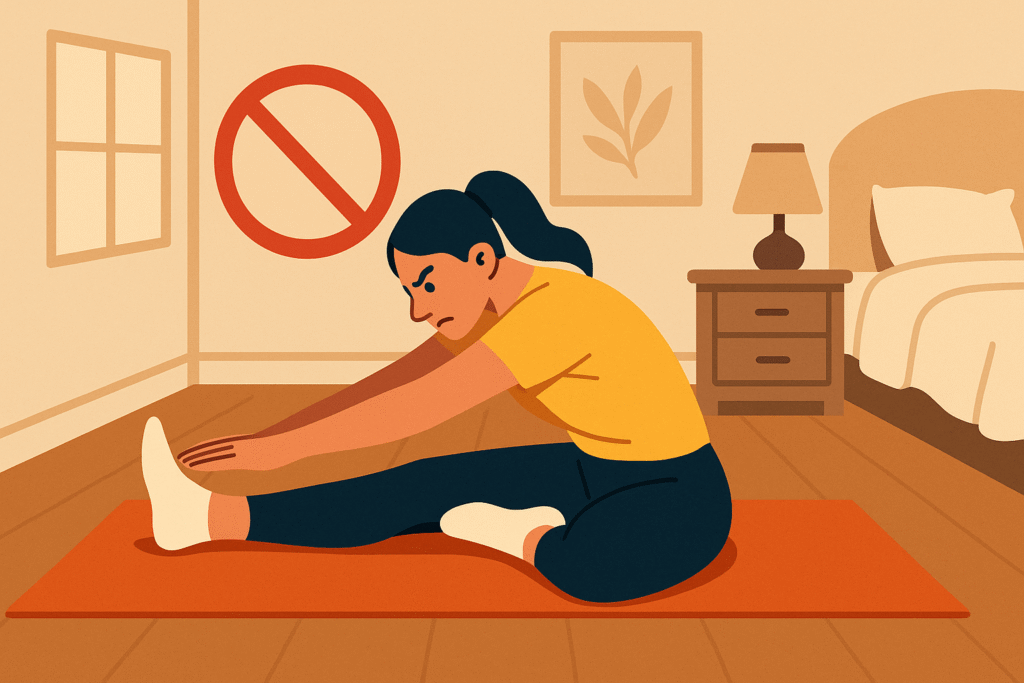
Stretching Myths That Waste Your Time
Stretching is often seen as a warm-up essential and a shortcut to flexibility, but not everything you hear about it is true. Some common beliefs about stretching can waste your time or even reduce performance if done the wrong way. Understanding what really works can make your routine more effective and safer.
Myth 1: You Should Always Stretch Before Exercise
Many people believe that stretching before a workout prevents injury. In reality, long static stretches before activity can reduce muscle power and coordination. They temporarily relax muscles, which is not ideal when you need strength and stability.
What to do instead:
Warm up with light movement such as brisk walking, arm circles, or squats. Dynamic stretching, which involves movement through your range of motion, prepares your body more effectively than holding static poses.
Myth 2: Stretching Eliminates Muscle Soreness
Stretching feels good, but it does not prevent or remove muscle soreness after training. Delayed onset muscle soreness (DOMS) is caused by tiny tears in muscle fibers, not stiffness that stretching can fix.
What to do instead:
Gentle movement, hydration, and proper rest are better for recovery. A short walk or light activity increases blood flow and helps your muscles heal faster.
Myth 3: You Need to Stretch Every Muscle Every Day
Daily full-body stretching is not necessary for most people. Spending time on muscles that are not tight or overused can waste energy and time that could go toward strengthening weak areas instead.
What to do instead:
Focus on problem spots that affect posture or mobility, such as hips, shoulders, or hamstrings. Consistency is more important than volume. Stretching those key areas for a few minutes daily is enough to improve flexibility.
Myth 4: Stretching Makes You Instantly Flexible
Flexibility does not happen overnight. It develops gradually as muscles and connective tissues adapt to regular movement. Forcing a stretch too far can cause strain rather than progress.
What to do instead:
Hold stretches gently for 20 to 30 seconds and breathe deeply. Aim for slow improvement over weeks, not minutes. Combine stretching with mobility and strength work to improve long-term flexibility.
Myth 5: Pain Means You Are Doing It Right
Feeling tension in a stretch is normal, but pain is not. Pushing into painful positions can damage joints, tendons, or ligaments.
What to do instead:
Stop when you feel mild tension, not pain. Stretching should feel like relief, not strain. Over time, your range of motion will expand naturally without forcing it.
Final Thoughts
Stretching is valuable when done with purpose and moderation. It supports movement, posture, and recovery, but it is not a cure-all for soreness or a guarantee against injury. Use stretching as one tool in your fitness routine, focus on correct technique, and combine it with strength and mobility exercises for the best results.